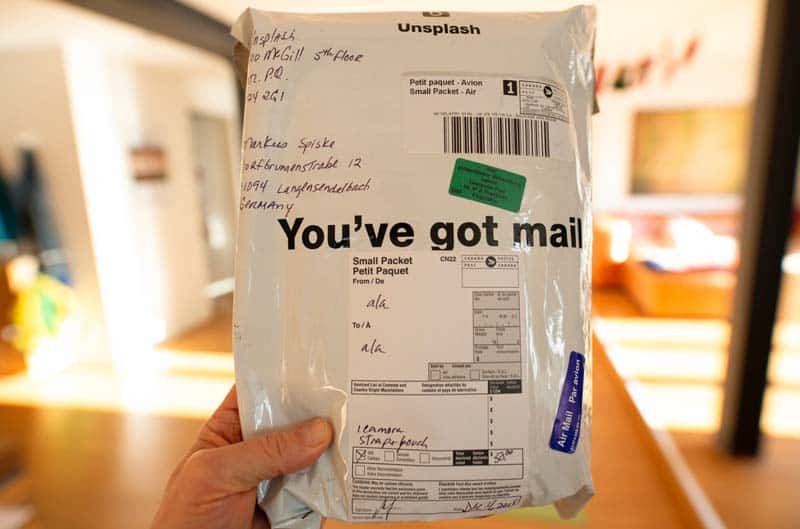
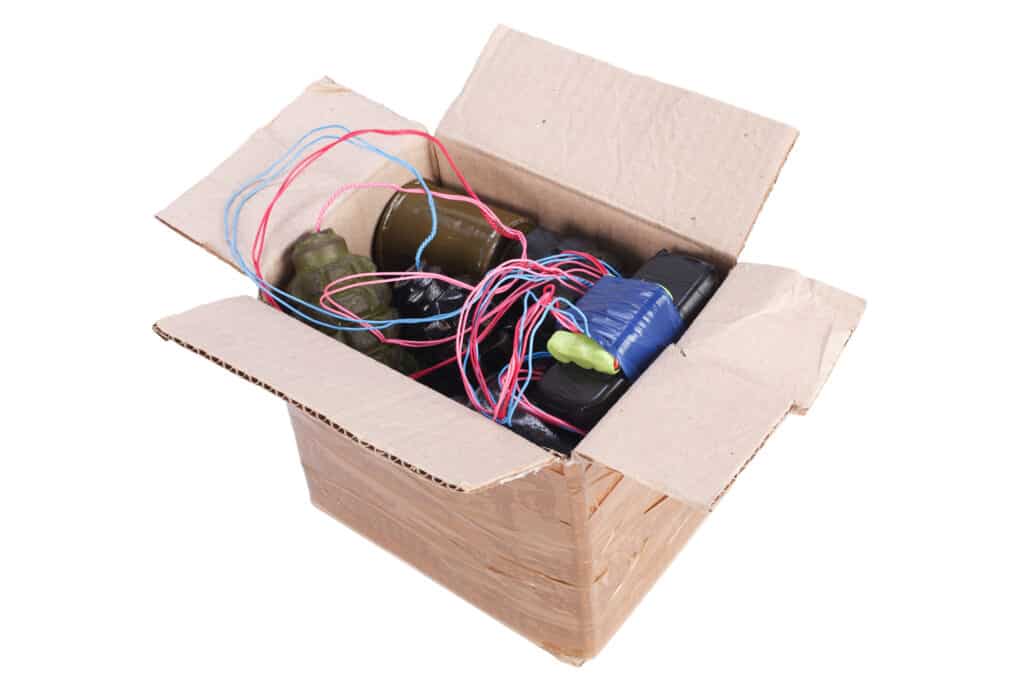
Mail seems harmless until something suspicious lands on your desk. Every package, letter, and envelope that enters a building is a potential point of risk. A mailroom risk assessment helps you understand those risks and put practical controls in place…no fancy equipment, no big budget, just awareness and structure.
1. Map How Mail Moves Through Your Building (Mail Flow)
Start by tracing the route each piece of mail takes from delivery to opening. Note where it comes in, who accepts it, and where it’s handled. If mail passes through public areas, or if multiple people handle it before screening, that’s a weak point.
Understanding this flow is the foundation of pretty much every mail security guideline…it tells you where your risks actually exist.
2. Identify Who Handles Mail
Every person who touches mail should know what to look for and what to do if something seems wrong. Receptionists, administrative assistants, volunteers…everyone needs the same baseline training.
They should recognize odd odors, powder residue, strange labeling, or packages that just feel wrong.
Keep it simple: short briefings, posted reminders, and easy access to gloves, hand sanitizer, and a way to report concerns.
3. Check the Mail Area
You don’t need a high-security screening room. You need a clean, well-lit area that’s separate from busy workspaces. The goal is to contain risk, not eliminate it completely.
Tables should have nonporous surfaces, ventilation should draw air away from the main office, and only authorized staff should be allowed in the area.
Even one small corner set up intentionally can make a difference.
4. Review How Mail Is Screened
Screening is mostly common sense. Handle each item with attention: check for stains, odors, excess tape, or misspelled labels. Notice if a package feels rigid, uneven, or heavier than expected.
Log anything unusual and who handled it. Over time, this record helps you spot repeat issues or suspicious patterns without needing software or scanners.
5. Look at Storage and Delivery Habits
Mail should not pile up near desks or shared spaces. Separate unscreened items from cleared ones and mark the areas clearly.
If something seems off, leave it where it is and keep people out of the area until it’s checked. If your team stores mail overnight, make sure it’s in a place that can be closed off quickly if needed.
6. Test Your Emergency Plan
Everyone in the building should know what to do if suspicious mail is found: stop handling it, leave it in place, clear the area, and call 911 (if necessary). Do not move the item or try to open it.
Keep those steps posted in plain sight and review them once or twice a year. The faster people recognize and react, the less risk there is to staff and visitors.
7. Rate and Improve
Once you’ve reviewed your space, people, and process, rank your risk: low, medium, or high. A lower-risk mailroom has trained staff, limited access, and a defined workspace. A higher-risk one handles public deliveries with no procedures in place.
Focus improvements on what gives you the biggest return…training, layout changes, or better process. Most fixes cost almost nothing.
8. Keep It Current
Review your mailroom plan annually or when staff or building changes occur. Keep short written notes on updates; they show diligence if an incident ever needs to be reviewed later.
Final Takeaway
Mail security is about control. When everyone understands how mail moves, how to screen it, and what to do when something feels wrong, you’ve already built the most important layer of defense.

Written by
Cody Martin
Cody brings over 20 years of federal law enforcement, training, and physical security expertise. He has advised and trained more than 20 Fortune 500 firms, along with schools, churches, government agencies, and private individuals across the country. As a federal agent, Cody served as Threat Management Coordinator for a three-state division, Officer Survival Subject Matter Expert at National Headquarters, and developed the agency's national Improvised Explosive Device Recognition and Response program from the ground up. He led threat management training across four states and served on a presidential protection detail. Cody holds a BS and a Master of Science in Criminal Justice from Tarleton State University. Notable work includes creating and delivering the national IED Recognition and Response training program for a federal law enforcement agency, serving as Officer Survival and Firearms Subject Matter Expert at National Headquarters, Threat Management Coordinator overseeing instructors across Texas, Oklahoma, and Arkansas, serving on a presidential protection detail, conducting risk assessments and security plans for Fortune 500 companies and ultra-high-net-worth individuals, and publishing in RECOIL OFFGRID, RECOIL CONCEALMENT, and SKILLSET on situational awareness, EDC, and concealed carry.